ใครออกเดทกับ เนลล์ กวิน?
Charles II of England วันที่ เนลล์ กวิน จาก ? ถึง ?. ช่องว่างอายุ 19 ปี 7 เดือน 25 วัน.
เนลล์ กวิน

เนลล์ กวิน (พ.ศ. 2193- 14 พฤศจิกายน พ.ศ. 2230) เป็นพระสนมเอกคนที่สามของ สมเด็จพระเจ้าชาร์ลส์ที่ 2เนลล์มาจากจุดต่ำสุดของสังคมอังกฤษ เนลล์เกิดในซ่องโสเภณี แม่ของเนลล์เป็นอดีตโสเภณี แม่เมาเหล้าและตกน้ำตายตั้งแต่เนลล์ยังเล็ก เนลล์ไม่ได้เรียนหนังสือ อ่านไม่ออกเขียนไม่ได้ พอเนลล์อายุ 14 ปี เธอเติบโตสวยสะพรั่งเป็นสาวหน้าอกใหญ่ เนลล์เป็นเด็กขายส้มในโรงละคร เด็กขายส้มเป็นอาชีพที่ต้องเสียตัวกับลูกค้าบ้ากาม ต่อมาเนลล์ได้เป็น "เด็ก"ให้กับ ชาร์ลส์ ฮาร์ท นักแสดงชายในโรงละคร เนลล์ได้เรียนเต้นระบำกับครูฝึก เนลล์เป็นสาวสวยน่ารัก ขี้เล่น เฮฮา มีลูกเล่นแพรวพราว ทำให้เจ้าของโรงละครและนักเขียนบทเห็นแววเป็น "ดาวรุ่ง" ของเนลล์ เนลล์ได้เลื่อนขั้นเป็นนักแสดงในวัย 15 ปี ด้วยความสวยและฉลาด เนลล์ได้เป็นนางเอกในเรื่อง Secret Love ในเรื่องนั้นนางเอกต้องเป็นสาวขี้เล่น เฮฮา เนลล์ได้มีนิสัยตรงกัน เธอเลยได้เป็นนางเอกของเรื่อง ซึ่งก็โด่งดังเป็นพลุแตก
คนดูหนึ่งในนั้นคือชาร์ลส์ แซควิลล์ ที่หลงใหลในตัวเนลล์จนถอนตัวไม่ขึ้น อยากได้มาเป็นเมียเก็บ และก็สำเร็จในที่สุด ชาร์ลส์พาเนลล์ไปพักที่คฤหาสน์หลังงาม เนลล์ได้สัมผัสกับความหรูหราอลังการของที่นั่น เนลล์ได้ชุดสวยๆ นั่งรถม้า มีบ่าวรับใช้ สร้างความดีใจมาก แต่ความรักของเนลล์กับชาร์ลส์ต้องยุติลง จากนั้นเนลล์ก็ไปเป็น "เด็ก"ของขุนนางอีกหลายคน ก่อนที่จะไปเป็นพระสนมในวัย 19 ในตอนนั้นพระเจ้าชาร์ลส์มีพระสนมชื่อมอลล์ เดวิส ที่มีประวัติที่ไม่ค่อยดีนัก มอลล์เป็นลูกนอกสมรสของขุนนางคนหนึ่ง พ่อไม่ยอมรับ เธอต้องเป็นนางละคร ร้องเพลงได้ไพเราะยิ่งนัก
พระเจ้าชาร์ลส์ทรงชอบมอลล์มากๆแต่ในราชสำนัก มอลล์เป็นที่รังเกียจ เนื่องจากเธอมาจากความต้อยต่ำ ไม่รู้จักที่ต่ำสูง ขาดความนอบน้อม ไม่มีมารยาท นอกจากพระเจ้าชาร์ลส์แล้วไม่ใครรักมอลล์สักคน วันหนึ่งพระเจ้าชาร์ลส์ทอดพระเนตรดูการแสดงละคร เนลล์เองก็ไปกับคู่ควง เนลล์ได้นั่งติดกับพระเจ้าชาร์ลส์ เนลล์เป็นสาวขี้เล่น พระเจ้าชาร์ลส์ทรงสั่งให้ข้าราชบริพารนัดเนลล์และคู่ควงให้ไป "ดื่ม"กันต่อที่โรงเตี๊ยมใกล้ๆ พอดื่มเสร็จ เมื่อถึงเวลาจ่ายเงิน พระเจ้าชาร์ลส์ทรงไม่ได้พกกระเป๋าเงินมา เนลล์เลยอุทานมาว่า "โอ ตั้งแต่เกิดฉันไม่เคยเห็นเจ้าภาพที่ไหนกระจอกขนาดนี้" คนร่วมโต๊ะต่างตะลึงไปหมด กลัวว่าเนลล์จะถูกลงโทษ แต่เปล่า พระเจ้าชาร์ลส์กลับทรงเอ็นดูเนลล์มากกว่าเดิม
เนลล์ต้องเจอคู่แข่งอย่างหลุยส์ เดอ เครูอาล แต่ก็ทำอะไรเนลล์ไม่ได้ ส่วนมอลล์ เดวิสก็ถูกเขี่ยไปให้พ้นเส้นทาง ด้วยวิธีการคือเนลล์แอบเอาสมุนไพรที่มีฤทธิ์เป็นยาถ่ายใส่ลงไปในอาหาร แล้วก็มารับประทานด้วยกันปกติ พอสมุนไพรออกฤทธิ์ มอลล์เริ่มมีอาการท้องเสียง สร้างความอึดอัดอย่างมาก โดยเฉพาพระเจ้าชาร์ลส์ที่ตรัสว่า "ช่างอึดอัดจริง บรรยกาศชวนกินข้าวไม่ลง" มอลล์เกิดอาการท้องเสียอย่าแรง เป็นเหตุที่ทำให้ตกกระป๋องในที่สุด
เนลล์เป็นคนพูดตรง วันหนึ่งพระเจ้าชาร์ลส์เสด็จมาเยี่ยมเนลล์และลูกชายที่บ้านพัก เนลล์ได้พูดว่า "มานี่ซิ เด็กไม่มีพ่อ"สร้างความตกพระทัยแก่พระเจ้าชาร์ลส์มาก เนลล์เลยให้เหตุผลว่า "จริงไหมเพคะ ลูกหม่อมฉันเป็นแบสทาร์ด ลูกนอกสมรสนี่" ทำให้พระเจ้าชาร์ลส์ทรงชื่นชมเนลล์มากกว่าเดิม
เนลล์เสียชีวิตในวัย 37 ปี.
อ่านเพิ่มเติม...Charles II of England
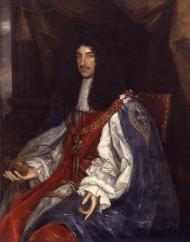
Charles II (29 May 1630 – 6 February 1685) was King of Scotland from 1649 until 1651 and King of England, Scotland, and Ireland from the 1660 Restoration of the monarchy until his death in 1685.
Charles II was the eldest surviving child of Charles I of England, Scotland and Ireland and Henrietta Maria of France. After Charles I's execution at Whitehall on 30 January 1649, at the climax of the English Civil War, the Parliament of Scotland proclaimed Charles II king on 5 February 1649. However, England entered the period known as the English Interregnum or the English Commonwealth with a republican government eventually led by Oliver Cromwell. Cromwell defeated Charles II at the Battle of Worcester on 3 September 1651, and Charles fled to mainland Europe. Cromwell became Lord Protector of England, Scotland and Ireland. Charles spent the next nine years in exile in France, the Dutch Republic and the Spanish Netherlands. A political crisis after Cromwell's death in 1658 resulted in the restoration of the monarchy in 1660, and Charles was invited to return to Britain. On 29 May 1660, his 30th birthday, he was received in London to public acclaim.
Charles's English Parliament enacted the Clarendon Code, to shore up the position of the re-established Church of England. Charles acquiesced to these new laws even though he favoured a policy of religious tolerance. The major foreign policy issue of his early reign was the Second Anglo-Dutch War. In 1670, he entered into the Treaty of Dover, an alliance with his cousin, King Louis XIV of France. Louis agreed to aid him in the Third Anglo-Dutch War and pay him a pension, and Charles secretly promised to convert to Catholicism at an unspecified future date. Charles attempted to introduce religious freedom for Catholics and Protestant dissenters with his 1672 Royal Declaration of Indulgence, but the English Parliament forced him to withdraw it. In 1679, Titus Oates's fabrication of a supposed Popish Plot sparked the Exclusion Crisis when it was revealed that Charles's brother and heir presumptive, James, Duke of York, had become a Catholic. The crisis saw the birth of the pro-exclusion Whig and anti-exclusion Tory parties. Charles sided with the Tories and, after the discovery of the Rye House Plot to murder Charles and James in 1683, some Whig leaders were executed or forced into exile. Charles dissolved the English Parliament in 1681 and ruled alone until his death in 1685.
A patron of the arts and sciences, Charles became known for his affability and friendliness, and for allowing his subjects easy access to his person. But he also showed an almost impenetrable reserve, especially concerning his political agendas. His court gained a reputation for moral laxity. Charles's marriage to Catherine of Braganza produced no surviving children, but the king acknowledged at least 12 illegitimate children by various mistresses. He was succeeded by his brother James.
อ่านเพิ่มเติม...