ใครออกเดทกับ หลุยส์ เดอ เครูอาล?
Charles II of England วันที่ หลุยส์ เดอ เครูอาล จาก ? ถึง ?. ช่องว่างอายุ 19 ปี 2 เดือน 29 วัน.
หลุยส์ เดอ เครูอาล

หลุยส์ เดอ เครูอาล ดัชเชสแห่งปอร์ตสมัธ (กันยายน พ.ศ. 2192- 14 พฤศจิกายน พ.ศ. 2277) เป็นพระสนมเอกคนที่สองของสมเด็จพระเจ้าชาร์ลส์ที่ 2 แห่งอังกฤษ หลุยส์เป็นพระกำนัลของเจ้าหญิงเฮนเรียตตา เจ้าหญิงเฮนเรียตตาได้เสด็จมาที่อังกฤษในปี พ.ศ. 2213 เมื่อพระเจ้าชาร์ลส์ได้ทรงเห็นหน้าตาหลุยส์ที่งดงามใสสะอาดเนื่องจากไม่ได้แต่งหน้าพระองค์ก็ทรงชื่นชมเป็นอย่างยิ่ง หลุยส์เป็นสาวน้อยวัย 21 ปีที่กิริยามารยาทเรียบร้อยสมเป็นลูกผู้ดี
เจ้าหญิงได้สิ้นพระชนม์อย่างกะทันหันขณะมีพระชนมายุ 26 ปี ยังไม่ทันเสด็จกลับ หลุยส์ตกค้างอยู่ในราชสำนัก พระเจ้าชาร์ลส์ทรงประทานตำแหน่งนางกำนัลของสมเด็จพระราชินีแคทเธอรีน ให้แก่หลุยส์ ต่อมหลุยส์ได้ทำหน้าที่เป็นสนมคนใหม่ ด้วยรูปร่างหน้าตาที่จอห์น เอเวลินกล่าวว่า "งามเหมือนเด็กทารก" คือ งามบริสุทธิ์นั่นเอง ต่อมาหลุยส์ก็ได้คลอดลูกชายที่ชื่อ ชาร์ลส์ ซึ่งต่อมาก็คือดยุกแห่งริชมอนด์ หลุยส์ไม่เคยแต่งงานมาก่อนที่จะได้เป็นพระสนม หลุยส์ก็เลยเป็นดัชเชสแห่งปอร์ตสมัธแบบ Duchess in Her Own Right คือเป็นดัชเชสด้วยตนเอง ไม่ได้เป็นภรรยาของดยุก
ถึงแม้หลุยส์จะมีหน้าตาที่ใสซื่อสะอาดสะอ้าน (ดูจากรูปวาดจะเห็นว่าหลุยส์จะไม่ค่อยแต่งหน้ามากนัก) แต่เธอก็เป็นคนฉลาด ไม่หัวอ่อน และสามารถเรียกความสนใจได้มากกว่าดัชเชสแห่งคลีฟแลนด์ด้วยซ้ำ ถึงแม้หลุยส์จะอยู่ที่อังกฤษ แต่ใจของเธอก็ได้ไปอยู่กับฝรั่งเศส นายเหนือหัวที่เธอรักมากที่สุดคือสมเด็จพระเจ้าหลุยส์ที่ 14 แห่งฝรั่งเศสมากกว่าพระเจ้าชาร์ลส์ หลุยส์ทำหน้าที่เป็นสายลับดูความเคลื่อนไหวของราชวงศ์สจ๊วตทุกย่างก้าว ด้วยการที่ไปล่วง แคะ แกะ เกา ความลับของอังกฤษจากพระเจ้าชาร์ลส์ หลุยส์ได้กลับไปรายงานเรื่องราวต่างๆในราชสำนักแก่ฝรั่งเศส ตลอดจนโน้มน้าวให้พระเจ้าชาร์ลส์ทรงหันมานับถือคาธอลิก แต่พระองค์ก็ทรงพระทัยแข็งพอที่จะปฏิเสธหลุยส์ทั้งๆที่ทรงเลื่อมใสคาธอลิกมาก
หลุยส์เป็นคนโปรดแห่งราชสำนักอังกฤษ หลุยส์สามารถพิชิตใจพระเจ้าชาร์ลส์ทำให้เธอ "ขึ้น"ตลอด ไม่มีวันตกแบบดัชเชสแห่งคลีฟแลนด์ หลุยส์ได้ทำให้ดยุกแห่งมอนมัธหมดรัศมีลงไป แต่คนที่หลุยส์กำจัดไม่ได้คือเนลล์ กวิน นางละครสาวสวย หลุยส์ตีสนิทกับเสนาบดีคนสำคัญ ยอมที่จะไปเป็นชู้เขา เพราะจะได้นำความลับของอังกฤษถวายพระเจ้าหลุยส์ เพื่อจะได้เป็นประโยชน์ต่อฝรั่งเศส หลุยส์เป็นคนโลภมาก กอบโกยเงินพระคลังแทบเกลี้ยง ห้องชุดในพระราชวังไวท์ฮอลซึ่งตกแต่งกว่า 3 ครั้งจนกว่าจะเป็นที่พอใจ สิ้นเปลืองเงินไปไม่รู้เท่าไหร่แล้ว หลุยส์ได้เบี้ยหวัดรายปีถึง 27,000 ปอนด์ ไม่รวมบรรดาเพชรพลอยที่พระเจ้าชาร์ลส์ทรงประทานให้ลูกชายอีกมาก พระเจ้าหลุยส์ทรงส่งของกำนัลดีมาให้หลุยส์เป็นประจำเพื่อตอบแทนที่รับใช้ด้วยดี
หลุยส์เป็นดาราเจ้าน้ำตา เวลาพระเจ้าชาร์ลส์ทรงไม่ประทานอะไรให้หลุยส์ก็จะใช้วิธีนี้ประจำ ในที่สุดหลุยส์ก็ได้ไปทุกที หลุยส์เป็นคนที่รู้ใจพระเจ้าชาร์ลส์เป็นอย่างดีทำให้เป็นคนโปรดเสมอ ถึงแม้จะมีคู่แข่งคนสำคัญอย่างเนลล์ กวิน ก็ตาม
เมื่อพระเจ้าชาร์ลส์สวรรคต หลุยส์มีหนี้สินท่วมหัว แต่พระเจ้าหลุยส์ก็ทรงอุปถัมภ์หลุยส์ จนเมื่อสวรรคตแล้วดยุกแห่งออร์เลอังส์ก็มารับช่วงต่อ หลุยส์เสียชีวิตในวัย 85 ปี.
อ่านเพิ่มเติม...Charles II of England
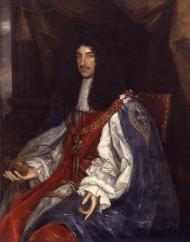
Charles II (29 May 1630 – 6 February 1685) was King of Scotland from 1649 until 1651 and King of England, Scotland, and Ireland from the 1660 Restoration of the monarchy until his death in 1685.
Charles II was the eldest surviving child of Charles I of England, Scotland and Ireland and Henrietta Maria of France. After Charles I's execution at Whitehall on 30 January 1649, at the climax of the English Civil War, the Parliament of Scotland proclaimed Charles II king on 5 February 1649. However, England entered the period known as the English Interregnum or the English Commonwealth with a republican government eventually led by Oliver Cromwell. Cromwell defeated Charles II at the Battle of Worcester on 3 September 1651, and Charles fled to mainland Europe. Cromwell became Lord Protector of England, Scotland and Ireland. Charles spent the next nine years in exile in France, the Dutch Republic and the Spanish Netherlands. A political crisis after Cromwell's death in 1658 resulted in the restoration of the monarchy in 1660, and Charles was invited to return to Britain. On 29 May 1660, his 30th birthday, he was received in London to public acclaim.
Charles's English Parliament enacted the Clarendon Code, to shore up the position of the re-established Church of England. Charles acquiesced to these new laws even though he favoured a policy of religious tolerance. The major foreign policy issue of his early reign was the Second Anglo-Dutch War. In 1670, he entered into the Treaty of Dover, an alliance with his cousin, King Louis XIV of France. Louis agreed to aid him in the Third Anglo-Dutch War and pay him a pension, and Charles secretly promised to convert to Catholicism at an unspecified future date. Charles attempted to introduce religious freedom for Catholics and Protestant dissenters with his 1672 Royal Declaration of Indulgence, but the English Parliament forced him to withdraw it. In 1679, Titus Oates's fabrication of a supposed Popish Plot sparked the Exclusion Crisis when it was revealed that Charles's brother and heir presumptive, James, Duke of York, had become a Catholic. The crisis saw the birth of the pro-exclusion Whig and anti-exclusion Tory parties. Charles sided with the Tories and, after the discovery of the Rye House Plot to murder Charles and James in 1683, some Whig leaders were executed or forced into exile. Charles dissolved the English Parliament in 1681 and ruled alone until his death in 1685.
A patron of the arts and sciences, Charles became known for his affability and friendliness, and for allowing his subjects easy access to his person. But he also showed an almost impenetrable reserve, especially concerning his political agendas. His court gained a reputation for moral laxity. Charles's marriage to Catherine of Braganza produced no surviving children, but the king acknowledged at least 12 illegitimate children by various mistresses. He was succeeded by his brother James.
อ่านเพิ่มเติม...