ใครออกเดทกับ จูเลียส ซีซาร์?
Postumia วันที่ จูเลียส ซีซาร์ จาก ? ถึง ?.
Postumia วันที่ จูเลียส ซีซาร์ จาก ? ถึง ?.
Mamurra วันที่ จูเลียส ซีซาร์ จาก ? ถึง ?.
Mucia Tertia วันที่ จูเลียส ซีซาร์ จาก ? ถึง ?.
Lollia วันที่ จูเลียส ซีซาร์ จาก ? ถึง ?.
Servilia วันที่ จูเลียส ซีซาร์ จาก ? ถึง ?.
Cossutia วันที่ จูเลียส ซีซาร์ จาก ? ถึง ?.
Sempronia วันที่ จูเลียส ซีซาร์ จาก ? ถึง ?.
Eunoë วันที่ จูเลียส ซีซาร์ จาก ? ถึง ?.
Clodia วันที่ จูเลียส ซีซาร์ จาก ? ถึง ?.
Tertulla วันที่ จูเลียส ซีซาร์ จาก ? ถึง ?.
Nysa วันที่ จูเลียส ซีซาร์ จาก ? ถึง ?.
Cleopatra วันที่ จูเลียส ซีซาร์ จาก ถึง . ช่องว่างอายุ 30 ปี 6 เดือน 10 วัน.
จูเลียส ซีซาร์
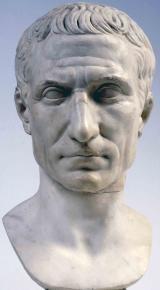
กาอิอุส ยูลิอุส ไกซาร์ (ละติน: Gaius Julius Caesar [ˈɡaːiʊs ˈjuːliʊs ˈkae̯sar]) หรือ จูเลียส ซีซาร์ (อังกฤษ: Julius Caesar; 12 กรกฎาคม 100 ปีก่อน ค.ศ. – 15 มีนาคม 44 ปีก่อน ค.ศ.) เป็นรัฐบุรุษและนายพลชาวโรมัน เขามีบทบาทสำคัญในเหตุการณ์อันนำไปสู่การสิ้นสุดสาธารณรัฐโรมันและความเจริญของจักรวรรดิโรมัน ใน 60 ปีก่อน ค.ศ. ซีซาร์, กรัสซุส และปอมปีย์ ตั้งพันธมิตรทางการเมืองซึ่งจะครอบงำการเมืองโรมันไปอีกหลายปี ความพยายามของพวกเขาในการสั่งสมอำนาจผ่านยุทธวิธีประชานิยมถูกชนชั้นปกครองอนุรักษนิยมในวุฒิสภาโรมันคัดค้าน ซึ่งในบรรดานั้นมีกาโตผู้เยาว์ (Cato the Younger) ด้วยการสนับสนุนบ่อยครั้งของกิแกโร ชัยชนะของซีซาร์ในสงครามกอล ซึ่งสมบูรณ์ใน 51 ปีก่อน ค.ศ. ขยายดินแดนของโรมันไปถึงช่องแคบอังกฤษและแม่น้ำไรน์ ซีซาร์เป็นแม่ทัพโรมันคนแรกที่ข้ามทั้งสองเมื่อเขาสร้างสะพานข้ามแม่น้ำไรน์และบุกครองบริเตนครั้งแรก
ความสำเร็จเหล่านี้ทำให้เขามีอำนาจทางทหารซึ่งไม่มีผู้ใดเทียม และคุกคามฐานะของพอมพีย์ซึ่งเปลี่ยนไปเข้ากับวุฒิสภาหลังกรัสซุสเสียชีวิตใน 53 ปีก่อน ค.ศ. เมื่อสงครามกอลยุติ วุฒิสภาสั่งซีซาร์ให้ลงจากตำแหน่งบังคับบัญชาทหารของเขาและกลับกรุงโรม ซีซาร์ปฏิเสธคำสั่งนั้นและใน 49 ปีก่อน ค.ศ. ท้าทายโดยการข้ามแม่น้ำรุบิโกพร้อมด้วยทหารหนึ่งลีเจียน ทิ้งมณฑลของเขาและเข้าอิตาลีภายใต้อาวุธอย่างมิชอบด้วยกฎหมาย เกิดสงครามกลางเมืองตามมา และชัยชนะของซีซาร์ในสงครามทำให้เขามีฐานะอำนาจและอิทธิพลโดยไร้คู่แข่ง
หลังเข้าควบคุมรัฐบาล ซีซาร์เริ่มโครงการปฏิรูปสังคมและรัฐบาล รวมทั้งการสถาปนาปฏิทินจูเลียส เขารวมระบบข้าราชการประจำของสาธารณรัฐเข้าสู่ศูนย์กลางและสุดท้ายประกาศตนเป็น "ผู้เผด็จการตลอดชีพ" ทำให้เขายิ่งมีอำนาจมากขึ้นไปอีก แต่ความขัดแย้งทางการเมืองใต้น้ำยังไม่สงบ และในไอดส์มีนาคม (Ides of March) คือ 15 มีนาคม 44 ปีก่อน ค.ศ. ซีซาร์ถูกกลุ่มสมาชิกวุฒิสภากบฏลอบสังหาร นำโดยมาร์กุส ยูนิอุส บรูตุสผู้ลูก ผู้ซึ่งเป็นคนสนิทและเป็นเสมือนลูกศิษย์ โดยพูดเป็นประโยคสุดท้ายเป็นภาษาละตินว่า "Et tu Brute" (เจ้าด้วยหรือ บรูตุส) สงครามกลางเมืองชุดใหม่อุบัติ และรัฐบาลสาธารณรัฐอันมีรัฐธรรมนูญไม่เคยถูกฟื้นฟูอย่างสมบูรณ์ อ็อกตาวิอุส ทายาทบุญธรรมของซีซาร์ ซึ่งภายหลังรู้จักกันในพระนาม จักรพรรดิเอากุสตุส เถลิงอำนาจแต่ผู้เดียวหลังพิชิตศัตรูในสงครามกลางเมืองนั้น อ็อกตาวิอุสรวบรวมอำนาจและเริ่มสมัยจักรวรรดิโรมัน
คนรู้จักชีวิตส่วนมากของซีซาร์จากบันทึกการทัพของเขาเองและจากแหล่งข้อมูลร่วมสมัยอื่น ส่วนใหญ่เป็นจดหมายและสุนทรพจน์ของกิแกโรและงานเขียนประวัติศาสตร์ของแซลลัสต์ (Sallust) เป็นหลัก ชีวประวัติซีซาร์ในภายหลังโดยซุเอโตนิอุสและพลูทาร์กก็เป็นแหล่งข้อมูลหลักเช่นกัน นักประวัติศาสตร์หลายคนถือซีซาร์เป็นผู้บัญชาการทหารที่ยิ่งใหญ่ที่สุดในประวัติศาสตร์คนหนึ่ง
อ่านเพิ่มเติม...Postumia
จูเลียส ซีซาร์
Postumia
จูเลียส ซีซาร์
Mamurra
Mamurra est un chevalier romain, intendant de Jules César dans les Gaules.
Il vivait au Ier siècle av. J.-C, amassa par ses exactions d’immenses richesses, et fit, à son retour, bâtir un palais magnifique sur le mont Cœlius.
Catulle a fait de sanglantes épigrammes contre ce favori de Jules César, justement décrié par ses rapines, par son luxe et par ses débauches. Dacier croit que la ville de Formies, qui, dans la satire V du livre Ier d’Horace, est appelée Mamurrarum urbs, lui appartenait. Mais il est plus probable que ce chevalier romain si décrié y avait seulement pris naissance, et que c’est un trait de satire qu’Horace lance en passant contre Mamurra. Formies dévient ainsi la ville des Mamurres parce que Mamurra l’a rendue célèbre par ses vices et ses déportements. Cela semble d’ailleurs plus dans le goût et le génie d’Horace, qui ne pouvait penser autrement que Catulle et tous les honnêtes gens de Rome sur ce fameux débauché.
Ce Mamurra est appelé ailleurs par Horace decoctor Formianus (le dissipateur, le mangeur de Formies), ce qui indique le cas qu’il en faisait. Il paraît que ce personnage était riche d’ailleurs, et avait à Rome une belle maison. Ce fut lui qui donna le premier, à Rome, l’exemple de faire incruster de marbre les murailles ; d’où cette sorte d’ornement prit en architecture le nom de décoration mamurrine.
อ่านเพิ่มเติม...จูเลียส ซีซาร์
Mucia Tertia
Mucia Tertia (fl. 79 – 31 BC) was a Roman matrona who lived in the 1st century BC. She was the daughter of Quintus Mucius Scaevola, the pontifex maximus and consul in 95 BC.
Around 79 BC, Mucia married Pompey, a leading and soon-to-be dominant figure in Roman politics. She was the mother of all three of Pompey's known children. Pompey divorced her in 61 BC, either for adultery or for political reasons. She subsequently married Marcus Aemilius Scaurus and remained active in Roman politics, leading peace talks between her son Sextus Pompey and Octavian in 39 BC and maintaining a relationship of mutual respect with Octavian in the years that followed.
อ่านเพิ่มเติม...จูเลียส ซีซาร์
Lollia
Lollia was an Ancient Roman noblewoman. She was the wife of Roman general Aulus Gabinius. She was also a mistress of Julius Caesar.
อ่านเพิ่มเติม...จูเลียส ซีซาร์
Servilia

Servilia (c. 100 BC – after 42 BC) was a Roman matron from a distinguished family, the Servilii Caepiones. She was the daughter of Quintus Servilius Caepio and Livia, thus the maternal half-sister of Cato the Younger. She married Marcus Junius Brutus, with whom she had a son, the Brutus who, along with others in the Senate, assassinated Julius Caesar. After her first husband's death in 77 BC, she married Decimus Junius Silanus, and with him had a son and three daughters.
She gained fame as the mistress of Julius Caesar, whom her son Brutus and son-in-law Gaius Cassius Longinus would assassinate in 44 BC. Her affair with Caesar seems to have been publicly known in Rome at the time. Plutarch stated that she in turn was madly in love with Caesar. The relationship between the two probably started in 59 BC, after the death of Servilia's second husband although Plutarch implied it began when they were teenagers.
อ่านเพิ่มเติม...จูเลียส ซีซาร์
Cossutia
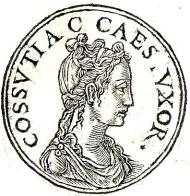
Cossutia was a Roman woman who became engaged to Julius Caesar prior to his reaching adulthood. There has been debate among historians on whether the marriage actually occurred.
อ่านเพิ่มเติม...จูเลียส ซีซาร์
Sempronia

Sempronia war eine römische Aristokratin der späten Republik. Sie war die Frau des Decimus Iunius Brutus, Konsul des Jahres 77 v. Chr., und nach Sallust aktive Teilnehmerin – zumindest Mitwisserin – an der catilinarischen Verschwörung.
อ่านเพิ่มเติม...จูเลียส ซีซาร์
Eunoë

Eunoë Maura was the wife of Bogudes, King of Western Mauretania. Her name has also been spelled Euries or Euryes or Eunoa.
อ่านเพิ่มเติม...จูเลียส ซีซาร์
Clodia

Clodia (born Claudia; c. 94/95 BC), nicknamed Quadrantaria ("Quarter", from quadrantarius, the price of a visit to the public baths), Nola ("The Unwilling", from the verb nolo, in sarcastic reference to her alleged wantonness), Medea Palatina ("Medea of the Palatine") by Cicero (see below), and occasionally referred to in scholarship as Clodia Metelli ("Metellus's Clodia"), was one of three known daughters of the ancient Roman patrician Appius Claudius Pulcher.
Like many other women of the Roman elite, Clodia was very well-educated in Greek and philosophy, with a special talent for writing poetry. Her life, which was characterized by perpetual scandal, is immortalized in the writings of Marcus Tullius Cicero and, it is generally believed, in the poems of Gaius Valerius Catullus.
อ่านเพิ่มเติม...จูเลียส ซีซาร์
Tertulla
Tertulla was the wife of Marcus Licinius Crassus, "the richest man in Rome", and the mother of his two sons.
อ่านเพิ่มเติม...จูเลียส ซีซาร์
Nysa
Ниса (др.-греч. Νύσα) — дочь царя Вифинии Никомеда IV (по другим, видимо, устаревшим сведениям — Никомеда III), жившая в I веке до н. э.
อ่านเพิ่มเติม...จูเลียส ซีซาร์
Cleopatra

Cleopatra VII Thea Filopátor —en griego antiguo: Κλεοπᾰ́τρᾱ Φιλοπάτωρ, romanizado: Kleopátrā Philopátōr— (69 a. C.-10 o 12 de agosto de 30 a. C.), conocida como Cleopatra, fue la última gobernante de la dinastía ptolemaica del Antiguo Egipto, aunque nominalmente la sucedió como faraón su hijo Cesarión. También fue diplomática, comandante naval, lingüista y escritora de tratados médicos. Era descendiente de Ptolomeo I Sóter, fundador de la dinastía ptolemaica, un general grecomacedonio de Alejandro Magno. Tras su muerte, Egipto se convirtió en provincia del Imperio romano, lo que marcó el final del período helenístico que se había iniciado con el reinado de Alejandro (336-323 a. C.). Aunque su lengua materna era la koiné griega, fue la primera soberana ptolemaica en aprender el idioma egipcio.En 58 a. C. presuntamente acompañó a su padre, Ptolomeo XII, durante su exilio en Roma tras una revuelta en Egipto (para entonces un Estado cliente de Roma), lo que permitió que su hermana mayor, Berenice IV, reclamara el trono de Ptolomeo. Berenice murió en batalla en 55 a. C., cuando su padre volvió a Egipto con ayuda militar romana. Cuando Ptolomeo murió en 51 a. C., Cleopatra y su hermano menor, Ptolomeo XIII, accedieron al trono como corregentes, pero la ruptura entre ambos desató una guerra civil.
Tras la derrota sufrida por el estadista romano Pompeyo el Grande en 48 a. C. en la batalla de Farsalia por parte de su rival Julio César durante la segunda guerra civil romana, Pompeyo huyó a Egipto, ya que había sido aliado político del padre de Ptolomeo XIII y Cleopatra, pero a sugerencia de los eunucos de la corte, Ptolomeo XIII ordenó emboscar y asesinar a Pompeyo mientras César ocupaba Alejandría en persecución de su enemigo. Como cónsul de la República romana, César trató de reconciliar a Ptolomeo XIII con su hermana Cleopatra, pero Potino el Eunuco, consejero principal del monarca egipcio, creía que los términos que proponía el cónsul beneficiaban a Cleopatra, por lo que sus fuerzas sitiaron a César y Cleopatra en Alejandría. El asedio se levantó gracias a la llegada de aliados de César a comienzos de 47 a. C. y Ptolomeo XIII murió poco después en la batalla del Nilo. Arsínoe IV, media hermana de Cleopatra que había liderado el asedio, se exilió en Éfeso. César, ya elegido dictador, declaró a Cleopatra y a su hermano menor Ptolomeo XIV cogobernantes de Egipto. Sin embargo, el general romano inició una relación sentimental privada con Cleopatra de la que nació Cesarión. Cleopatra viajó a Roma en los años 46 y 44 a. C. como reina vasalla y se alojó en la villa de César. Cuando este fue asesinado en 44 a. C., Cleopatra intentó que su hijo fuera designado heredero, pero no pudo debido al ascenso al poder de Octavio (posteriormente conocido como Augusto, quien sería el primer emperador de Roma en 27 a. C.). Entonces, Cleopatra ordenó asesinar a su hermano Ptolomeo XIV y elevó a su hijo Cesarión como corregente de Egipto, con el nombre de Ptolomeo XV.
Durante la tercera guerra civil de la República romana (43-42 a. C.), Cleopatra se alió con el Segundo Triunvirato, formado por Octavio (sobrino nieto y heredero de César), Marco Antonio y Lépido. Tras su encuentro en Tarso en 41 a. C., la gobernante egipcia inició una relación con Marco Antonio de la que nacieron tres hijos: Alejandro Helios, Cleopatra Selene II y Ptolomeo Filadelfo. Antonio usó su autoridad como triunviro para ejecutar a Arsínoe IV, cumpliendo el deseo de Cleopatra, y se apoyó cada vez más en la reina egipcia tanto para obtener financiación como ayuda militar durante sus invasiones del imperio parto y del Reino de Armenia. En las Donaciones de Alejandría, los hijos de Cleopatra con Marco Antonio fueron nombrados gobernantes sobre varios territorios bajo la autoridad de Antonio. Este hecho, unido al matrimonio de Marco Antonio con Cleopatra después de su divorcio de Octavia la Menor, hermana de Octavio, desató la cuarta guerra civil de la República romana. Después de iniciar una guerra de propaganda, Octavio forzó a huir a los aliados de Antonio en el senado romano y le declaró la guerra a Cleopatra en 32 a. C. La flota de guerra de Marco Antonio y Cleopatra fue derrotada por la de Octavio, bajo el mando de su general Agripa, en la batalla de Accio en 31 a. C., tras lo cual las tropas romanas de Octavio invadieron Egipto en 30 a. C. y derrotaron a las de Antonio, tras lo cual éste se suicidó. Cuando Cleopatra se enteró de que Octavio pretendía llevarla a Roma para exhibirla durante su procesión de triunfo, también se suicidó tomando veneno, si bien popularmente se cree que lo hizo dejándose morder por un áspid.
El legado de Cleopatra permanece en numerosas obras de arte, tanto antiguas como modernas y numerosas dramatizaciones de su vida en la literatura y otros medios. Varias obras de la historiografía romana y la poesía latina retratan a la reina de Egipto, generalmente brindando una perspectiva negativa y polémica de su semblanza, perspectiva que pervivió en la literatura medieval y renacentista. Las artes visuales de la antigüedad representaron a Cleopatra en monedas romanas y ptolemaicas, esculturas, bustos, relieves, vasijas de cristal, camafeos y pinturas. Fue tema de muchas obras del arte renacentista y barroco, como esculturas, pinturas, poemas y obras de teatro como Antonio y Cleopatra (1608), de William Shakespeare, y óperas como Julio César en Egipto (1724), de Händel. En tiempos recientes, ha aparecido tanto en bellas artes como en artes aplicadas, en sátiras burlescas, en películas de Hollywood como Cleopatra (1963) interpretada por Elizabeth Taylor, o como imagen de marcas comerciales, por lo que desde el siglo XIX es un icono pop de la «egiptomanía».
อ่านเพิ่มเติม...