ใครออกเดทกับ จูเลียส ซีซาร์?
Postumia วันที่ จูเลียส ซีซาร์ จาก ? ถึง ?.
Postumia วันที่ จูเลียส ซีซาร์ จาก ? ถึง ?.
Mamurra วันที่ จูเลียส ซีซาร์ จาก ? ถึง ?.
Mucia Tertia วันที่ จูเลียส ซีซาร์ จาก ? ถึง ?.
Lollia วันที่ จูเลียส ซีซาร์ จาก ? ถึง ?.
Servilia วันที่ จูเลียส ซีซาร์ จาก ? ถึง ?.
Cossutia วันที่ จูเลียส ซีซาร์ จาก ? ถึง ?.
Sempronia วันที่ จูเลียส ซีซาร์ จาก ? ถึง ?.
Eunoë วันที่ จูเลียส ซีซาร์ จาก ? ถึง ?.
Clodia วันที่ จูเลียส ซีซาร์ จาก ? ถึง ?.
Tertulla วันที่ จูเลียส ซีซาร์ จาก ? ถึง ?.
Nysa วันที่ จูเลียส ซีซาร์ จาก ? ถึง ?.
Cleopatra วันที่ จูเลียส ซีซาร์ จาก ถึง . ช่องว่างอายุ 30 ปี 6 เดือน 10 วัน.
จูเลียส ซีซาร์
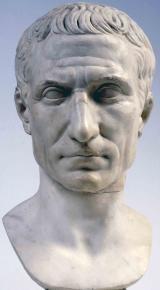
กาอิอุส ยูลิอุส ไกซาร์ (ละติน: Gaius Julius Caesar [ˈɡaːiʊs ˈjuːliʊs ˈkae̯sar]) หรือ จูเลียส ซีซาร์ (อังกฤษ: Julius Caesar; 12 กรกฎาคม 100 ปีก่อน ค.ศ. – 15 มีนาคม 44 ปีก่อน ค.ศ.) เป็นรัฐบุรุษและนายพลชาวโรมัน เขามีบทบาทสำคัญในเหตุการณ์อันนำไปสู่การสิ้นสุดสาธารณรัฐโรมันและความเจริญของจักรวรรดิโรมัน ใน 60 ปีก่อน ค.ศ. ซีซาร์, กรัสซุส และปอมปีย์ ตั้งพันธมิตรทางการเมืองซึ่งจะครอบงำการเมืองโรมันไปอีกหลายปี ความพยายามของพวกเขาในการสั่งสมอำนาจผ่านยุทธวิธีประชานิยมถูกชนชั้นปกครองอนุรักษนิยมในวุฒิสภาโรมันคัดค้าน ซึ่งในบรรดานั้นมีกาโตผู้เยาว์ (Cato the Younger) ด้วยการสนับสนุนบ่อยครั้งของกิแกโร ชัยชนะของซีซาร์ในสงครามกอล ซึ่งสมบูรณ์ใน 51 ปีก่อน ค.ศ. ขยายดินแดนของโรมันไปถึงช่องแคบอังกฤษและแม่น้ำไรน์ ซีซาร์เป็นแม่ทัพโรมันคนแรกที่ข้ามทั้งสองเมื่อเขาสร้างสะพานข้ามแม่น้ำไรน์และบุกครองบริเตนครั้งแรก
ความสำเร็จเหล่านี้ทำให้เขามีอำนาจทางทหารซึ่งไม่มีผู้ใดเทียม และคุกคามฐานะของพอมพีย์ซึ่งเปลี่ยนไปเข้ากับวุฒิสภาหลังกรัสซุสเสียชีวิตใน 53 ปีก่อน ค.ศ. เมื่อสงครามกอลยุติ วุฒิสภาสั่งซีซาร์ให้ลงจากตำแหน่งบังคับบัญชาทหารของเขาและกลับกรุงโรม ซีซาร์ปฏิเสธคำสั่งนั้นและใน 49 ปีก่อน ค.ศ. ท้าทายโดยการข้ามแม่น้ำรุบิโกพร้อมด้วยทหารหนึ่งลีเจียน ทิ้งมณฑลของเขาและเข้าอิตาลีภายใต้อาวุธอย่างมิชอบด้วยกฎหมาย เกิดสงครามกลางเมืองตามมา และชัยชนะของซีซาร์ในสงครามทำให้เขามีฐานะอำนาจและอิทธิพลโดยไร้คู่แข่ง
หลังเข้าควบคุมรัฐบาล ซีซาร์เริ่มโครงการปฏิรูปสังคมและรัฐบาล รวมทั้งการสถาปนาปฏิทินจูเลียส เขารวมระบบข้าราชการประจำของสาธารณรัฐเข้าสู่ศูนย์กลางและสุดท้ายประกาศตนเป็น "ผู้เผด็จการตลอดชีพ" ทำให้เขายิ่งมีอำนาจมากขึ้นไปอีก แต่ความขัดแย้งทางการเมืองใต้น้ำยังไม่สงบ และในไอดส์มีนาคม (Ides of March) คือ 15 มีนาคม 44 ปีก่อน ค.ศ. ซีซาร์ถูกกลุ่มสมาชิกวุฒิสภากบฏลอบสังหาร นำโดยมาร์กุส ยูนิอุส บรูตุสผู้ลูก ผู้ซึ่งเป็นคนสนิทและเป็นเสมือนลูกศิษย์ โดยพูดเป็นประโยคสุดท้ายเป็นภาษาละตินว่า "Et tu Brute" (เจ้าด้วยหรือ บรูตุส) สงครามกลางเมืองชุดใหม่อุบัติ และรัฐบาลสาธารณรัฐอันมีรัฐธรรมนูญไม่เคยถูกฟื้นฟูอย่างสมบูรณ์ อ็อกตาวิอุส ทายาทบุญธรรมของซีซาร์ ซึ่งภายหลังรู้จักกันในพระนาม จักรพรรดิเอากุสตุส เถลิงอำนาจแต่ผู้เดียวหลังพิชิตศัตรูในสงครามกลางเมืองนั้น อ็อกตาวิอุสรวบรวมอำนาจและเริ่มสมัยจักรวรรดิโรมัน
คนรู้จักชีวิตส่วนมากของซีซาร์จากบันทึกการทัพของเขาเองและจากแหล่งข้อมูลร่วมสมัยอื่น ส่วนใหญ่เป็นจดหมายและสุนทรพจน์ของกิแกโรและงานเขียนประวัติศาสตร์ของแซลลัสต์ (Sallust) เป็นหลัก ชีวประวัติซีซาร์ในภายหลังโดยซุเอโตนิอุสและพลูทาร์กก็เป็นแหล่งข้อมูลหลักเช่นกัน นักประวัติศาสตร์หลายคนถือซีซาร์เป็นผู้บัญชาการทหารที่ยิ่งใหญ่ที่สุดในประวัติศาสตร์คนหนึ่ง
อ่านเพิ่มเติม...Postumia
จูเลียส ซีซาร์
Postumia
จูเลียส ซีซาร์
Mamurra
Mamurra est un chevalier romain, intendant de Jules César dans les Gaules.
Il vivait au Ier siècle av. J.-C, amassa par ses exactions d’immenses richesses, et fit, à son retour, bâtir un palais magnifique sur le mont Cœlius.
Catulle a fait de sanglantes épigrammes contre ce favori de Jules César, justement décrié par ses rapines, par son luxe et par ses débauches. Dacier croit que la ville de Formies, qui, dans la satire V du livre Ier d’Horace, est appelée Mamurrarum urbs, lui appartenait. Mais il est plus probable que ce chevalier romain si décrié y avait seulement pris naissance, et que c’est un trait de satire qu’Horace lance en passant contre Mamurra. Formies dévient ainsi la ville des Mamurres parce que Mamurra l’a rendue célèbre par ses vices et ses déportements. Cela semble d’ailleurs plus dans le goût et le génie d’Horace, qui ne pouvait penser autrement que Catulle et tous les honnêtes gens de Rome sur ce fameux débauché.
Ce Mamurra est appelé ailleurs par Horace decoctor Formianus (le dissipateur, le mangeur de Formies), ce qui indique le cas qu’il en faisait. Il paraît que ce personnage était riche d’ailleurs, et avait à Rome une belle maison. Ce fut lui qui donna le premier, à Rome, l’exemple de faire incruster de marbre les murailles ; d’où cette sorte d’ornement prit en architecture le nom de décoration mamurrine.
อ่านเพิ่มเติม...จูเลียส ซีซาร์
Mucia Tertia
Mucia Tertia (fl. 79 – 31 BC) was a Roman matrona who lived in the 1st century BC. She was the daughter of Quintus Mucius Scaevola, the pontifex maximus and consul in 95 BC.
Around 79 BC, Mucia married Pompey, a leading and soon-to-be dominant figure in Roman politics. She was the mother of all three of Pompey's known children. Pompey divorced her in 61 BC, either for adultery or for political reasons. She subsequently married Marcus Aemilius Scaurus and remained active in Roman politics, leading peace talks between her son Sextus Pompey and Octavian in 39 BC and maintaining a relationship of mutual respect with Octavian in the years that followed.
อ่านเพิ่มเติม...จูเลียส ซีซาร์
Lollia
Lollia was an Ancient Roman noblewoman. She was the wife of Roman general Aulus Gabinius. She was also a mistress of Julius Caesar.
อ่านเพิ่มเติม...จูเลียส ซีซาร์
Servilia

Servilia (c. 100 BC – after 42 BC) was a Roman matron from a distinguished family, the Servilii Caepiones. She was the daughter of Quintus Servilius Caepio and Livia, thus the maternal half-sister of Cato the Younger. She married Marcus Junius Brutus, with whom she had a son, the Brutus who, along with others in the Senate, assassinated Julius Caesar. After her first husband's death in 77 BC, she married Decimus Junius Silanus, and with him had a son and three daughters.
She gained fame as the mistress of Julius Caesar, whom her son Brutus and son-in-law Gaius Cassius Longinus would assassinate in 44 BC. Her affair with Caesar seems to have been publicly known in Rome at the time. Plutarch stated that she in turn was madly in love with Caesar. The relationship between the two probably started in 59 BC, after the death of Servilia's second husband although Plutarch implied it began when they were teenagers.
อ่านเพิ่มเติม...จูเลียส ซีซาร์
Cossutia
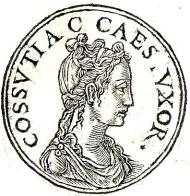
Cossutia was a Roman woman who became engaged to Julius Caesar prior to his reaching adulthood. There has been debate among historians on whether the marriage actually occurred.
อ่านเพิ่มเติม...จูเลียส ซีซาร์
Sempronia

Sempronia war eine römische Aristokratin der späten Republik. Sie war die Frau des Decimus Iunius Brutus, Konsul des Jahres 77 v. Chr., und nach Sallust aktive Teilnehmerin – zumindest Mitwisserin – an der catilinarischen Verschwörung.
อ่านเพิ่มเติม...จูเลียส ซีซาร์
Eunoë

Eunoé Maura (en berbère : ⴰⵡⵙⵏⵓⴼⴰ - Ausnufa) était une reine berbère de Maurétanie et épouse du roi Bogud.
Aussi connue sous le nom d'Euryes, Euries ou Eunoa.
อ่านเพิ่มเติม...
จูเลียส ซีซาร์
Clodia

Clodia Metelli, née Claudia vers 95 ou 94 av. J.-C. et appelée également Clodia, est une des femmes les plus connues du Ier siècle av. J.-C.
Elle est l’une des trois filles du patricien romain Appius Claudius Pulcher. Sa mère était, soit Caecilia Metella Balearica, soit sa cousine Caecilia Metella fille de Lucius Caecilius Metellus Diadematus. Clodia était la demi-sœur, entre autres, de Publius Clodius Pulcher et d’Appius Claudius Pulcher (consul en 54 av. J.-C.), qui avaient le même père mais pas la même mère.
อ่านเพิ่มเติม...จูเลียส ซีซาร์
Tertulla
จูเลียส ซีซาร์
Nysa
Ниса (др.-греч. Νύσα) — дочь царя Вифинии Никомеда IV (по другим, видимо, устаревшим сведениям — Никомеда III), жившая в I веке до н. э.
อ่านเพิ่มเติม...จูเลียส ซีซาร์
Cleopatra

Cleopatra VII Thea Philopator (Koine Greek: Κλεοπάτρα Θεά Φιλοπάτωρ, lit. 'Cleopatra father-loving goddess'; 70/69 BC – 10 or 12 August 30 BC) was Queen of the Ptolemaic Kingdom of Egypt from 51 to 30 BC, and the last active Hellenistic pharaoh. A member of the Ptolemaic dynasty, she was a descendant of its founder Ptolemy I Soter, a Macedonian Greek general and companion of Alexander the Great. Her first language was Koine Greek, and she is the only Ptolemaic ruler known to have learned the Egyptian language, among several others. After her death, Egypt became a province of the Roman Empire, marking the end of the Hellenistic period in the Mediterranean, which had begun during the reign of Alexander (336–323 BC).
Born in Alexandria, Cleopatra was the daughter of Ptolemy XII Auletes, who named her his heir before his death in 51 BC. Cleopatra began her reign alongside her brother Ptolemy XIII, but falling-out between them led to a civil war. Roman statesman Pompey fled to Egypt after losing the 48 BC Battle of Pharsalus against his rival Julius Caesar, the Roman dictator, in Caesar's civil war. Pompey had been a political ally of Ptolemy XII, but Ptolemy XIII had him ambushed and killed before Caesar arrived and occupied Alexandria. Caesar then attempted to reconcile the rival Ptolemaic siblings, but Ptolemy XIII's forces besieged Cleopatra and Caesar at the palace. Shortly after the siege was lifted by reinforcements, Ptolemy XIII died in the Battle of the Nile. Caesar declared Cleopatra and her brother Ptolemy XIV joint rulers, and maintained a private affair with Cleopatra which produced a son, Caesarion. Cleopatra traveled to Rome as a client queen in 46 and 44 BC, where she stayed at Caesar's villa. After Caesar's assassination, followed shortly afterwards by the sudden death of Ptolemy XIV (possibly murdered on Cleopatra's order), she named Caesarion co-ruler as Ptolemy XV.
In the Liberators' civil war of 43–42 BC, Cleopatra sided with the Roman Second Triumvirate formed by Caesar's heir Octavian, Mark Antony, and Marcus Aemilius Lepidus. After their meeting at Tarsos in 41 BC, the queen had an affair with Antony which produced three children. Antony became increasingly reliant on Cleopatra for both funding and military aid during his invasions of the Parthian Empire and the Kingdom of Armenia. The Donations of Alexandria declared their children rulers over various territories under Antony's authority. Octavian portrayed this event as an act of treason, forced Antony's allies in the Roman Senate to flee Rome in 32 BC, and declared war on Cleopatra. After defeating Antony and Cleopatra's naval fleet at the 31 BC Battle of Actium, Octavian's forces invaded Egypt in 30 BC and defeated Antony, leading to Antony's suicide. After his death, Cleopatra reportedly killed herself, probably by poisoning, to avoid being publicly displayed by Octavian in Roman triumphal procession.
Cleopatra's legacy survives in ancient and modern works of art. Roman historiography and Latin poetry produced a generally critical view of the queen that pervaded later Medieval and Renaissance literature. In the visual arts, her ancient depictions include Roman busts, paintings, and sculptures, cameo carvings and glass, Ptolemaic and Roman coinage, and reliefs. In Renaissance and Baroque art, she was the subject of many works including operas, paintings, poetry, sculptures, and theatrical dramas. She has become a pop culture icon of Egyptomania since the Victorian era, and in modern times, Cleopatra has appeared in the applied and fine arts, burlesque satire, Hollywood films, and brand images for commercial products.
อ่านเพิ่มเติม...